Gothic English: Mystery, Suspense & Atmosphere

Explore gothic English with storytelling tips, vivid imagery, and suspenseful language to master expressive communication.
Gothic English: Mystery, Suspense & Atmosphere
Do you want your English to echo with tantalizing mystery, delicious suspense, and an atmosphere thick with emotion? Step into the world of gothic English, where language is dramatic, evocative, and unforgettable. Inspired by gothic literature, this style can make your speaking and writing both enchanting and chilling.
Why Explore Gothic English?
Gothic English isn’t just for dark tales. It sharpens your sense for descriptive language, helps you build suspense, and teaches you how to sculpt vivid mental pictures, making your communication magnetic and memorable.
- Expressive Vocabulary: Use evocative, atmospheric words.
- Suspenseful Rhythm: Structure sentences to build anticipation.
- Descriptive Imagery: Create lasting impressions on your listeners or readers.
Model Sentences for Gothic Atmosphere
Try these sentences that channel gothic suspense and atmosphere. Notice the word choice, imagery, and rhythm:
- "A storm howled beyond the battered window, shadows writhing in its wake."
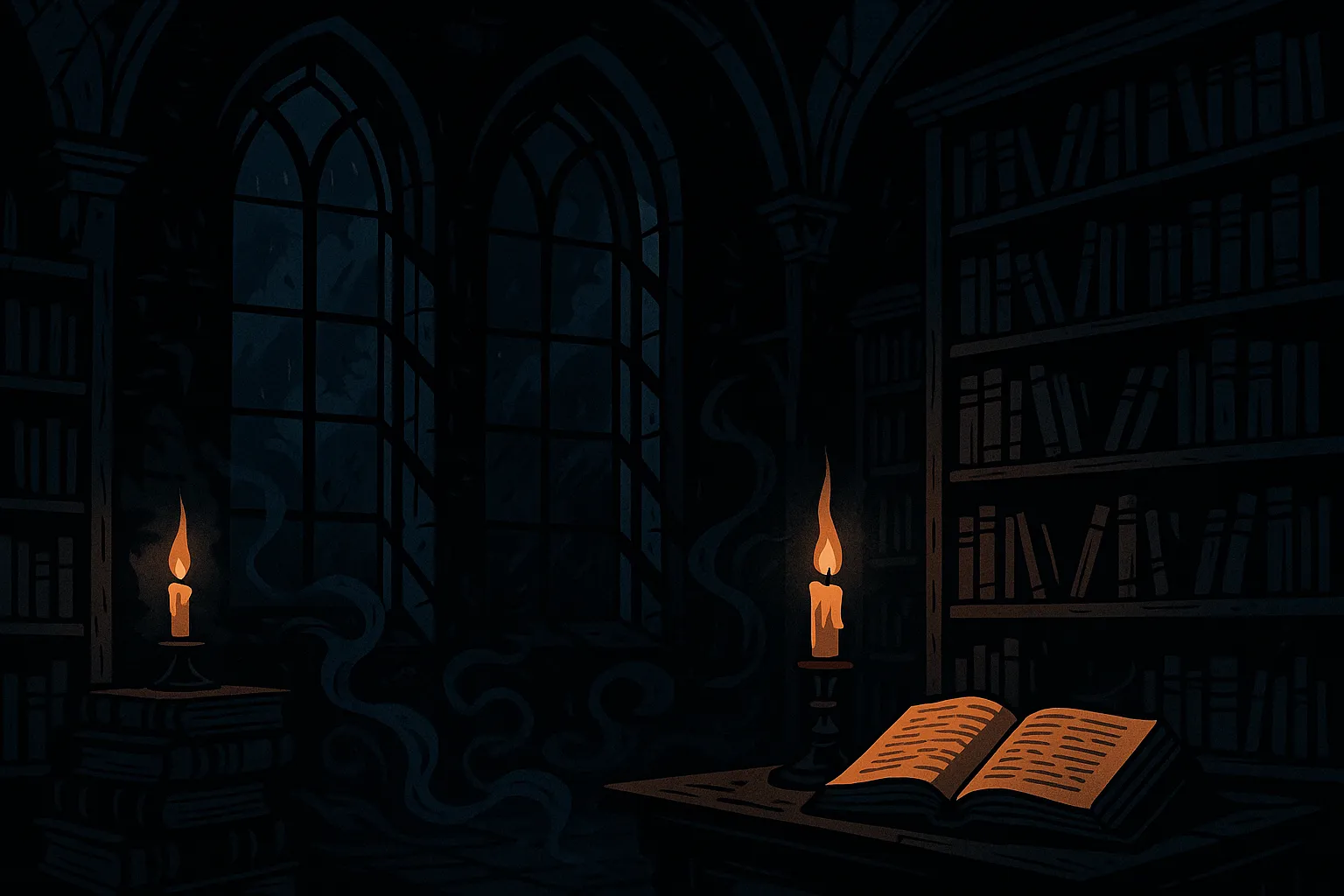
- "Candlelight flickered, casting monstrous silhouettes that seemed to breathe the midnight air."
- "Her footsteps echoed in the empty corridor, each one a whisper of secrets waiting to be unearthed."
- "A cold mist crept along the ground, swallowing hope and revealing only uncertainty."
Techniques for Building Suspense & Atmosphere
- Start with a Mood: Before you write or speak, choose the emotion you want to evoke—fear, curiosity, or awe—and let it guide your language.
- Layer Your Description: Use senses: sight, sound, touch, even taste. Let details linger to draw your listener in.
- Vary Sentence Length: Short sentences quicken the pulse. Long, winding sentences invite the reader to wander through suspense.
- Use Darkness Creatively: Darkness is not just absence of light—it can represent uncertainty, secrecy, or the unknown.
Guidance for Eerie Narratives
- Choose Your Setting Wisely: Old houses, abandoned streets, moonlit forests—settings matter in gothic English.
- Introduce Hints of the Unseen: Leave some things unclear. The unknown is scarier than the known.
- Echo Emotions in the Environment: Let the setting reflect the character’s feelings. If a character is scared, let the wind scream or the walls shudder.
| Gothic Word | Atmospheric Synonym |
|---|---|
| Shadow | Shade, silhouette, gloom |
| Whisper | Murmur, hiss, sigh |
| Chill | Shiver, frost, iciness |
| Echo | Reverberate, resound, linger |
Speak & Write with Gothic Flair
Dare to go beyond basic words. Paint pictures that haunt and delight. Whether telling a story, describing a dream, or crafting an email, gothic English adds a layer of drama and depth. With each phrase, you’ll capture not only meaning—but mood.