Managing Multilingual Projects with English

Discover how English serves as the common language to streamline communication, boost coordination, and ensure clarity in global project teams.
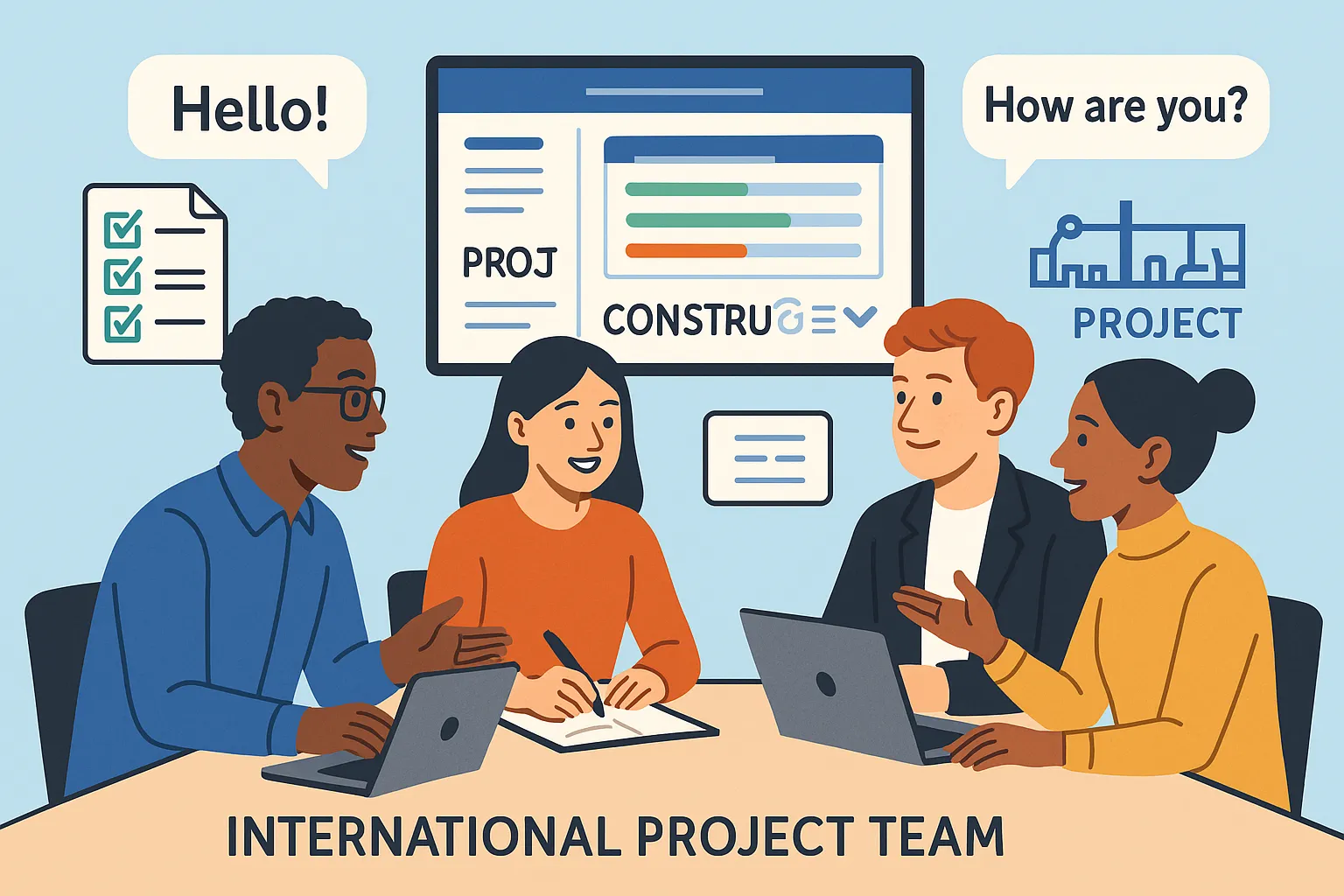
Managing Multilingual Projects: English as a Bridge Language
In today’s global business environment, project teams often span borders, cultures, and languages. English has emerged as the primary bridge language, enabling seamless collaboration and accountability among non-native speakers. But successful project management in these settings demands more than just a common tongue—it requires strategic, deliberate communication.
Why English Is the Bridge in Global Teams
The role of English as a global business language is well established. Using English as a bridge language offers key advantages when managing multilingual projects:
- Consistency: One language standardizes processes and documentation.
- Efficiency: Reduces misunderstandings and streamlines team interaction.
- Accessibility: Most corporate professionals have at least an intermediate proficiency in English.
Best Practices for Clear, International Communication
To maximize the benefits of English as a bridge language, consider these essential practices:
1. Use Simple, Direct Messaging
- Opt for straightforward vocabulary: Choose words and phrases that have clear, universal meanings.
- Keep sentences concise: Limit sentences to one idea, and avoid long, complex constructions.
- Break information into bullet points or numbered lists: This improves clarity and scan-ability for all team members.
2. Avoid Idioms, Jargon, and Regional Phrases
- Steer clear of idioms: Phrases like “hit the ground running” or “touch base” can confuse non-native speakers.
- Eliminate unnecessary jargon: Use technical terms only when they are widely recognized within the team.
- Favor explicit instructions over cultural references: Make requests and expectations unambiguous.
3. Encourage Confirmation and Questions
- Summarize and repeat: Restate key points to check understanding.
- Invite clarifying questions: Create space for queries without judgment.
- Document agreements in writing: Meeting notes and follow-up emails reinforce accountability.
Running International Status Meetings Effectively
Meetings are critical for building consensus and tracking progress on global projects. Here’s how to ensure your international status meetings succeed:
| Tip | Action |
|---|---|
| Set the Agenda | Share a simple, itemized agenda in advance for preparation and translation. |
| Allocate Speaking Time | Give all team members, especially quieter speakers, clear turns to contribute. |
| Recap and Clarify | Summarize decisions and next steps at the end of each section. |
| Follow Up in Writing | Distribute summaries and action items in clear English after the meeting. |
Maintaining Consensus and Accountability
- Define roles and responsibilities: Assign tasks using explicit, documented language.
- Monitor progress openly: Use shared dashboards or project tools, ensuring updates are in clear English and accessible to all.
- Review regularly: Schedule periodic check-ins to revisit agreements and address concerns.
Conclusion: English as an Empowering Communication Tool
Using English as a bridge language is more than a matter of convenience—it’s a deliberate strategy for inclusiveness, clarity, and project success. By optimizing language use and prioritizing understandable, direct communication, multilingual teams can focus on results—together.