English Infographics for Global Audiences: Guidelines & Best Practices

Master interpreting and designing English infographics: strategies, vocabulary, layout tips, and visual communication for global professionals.
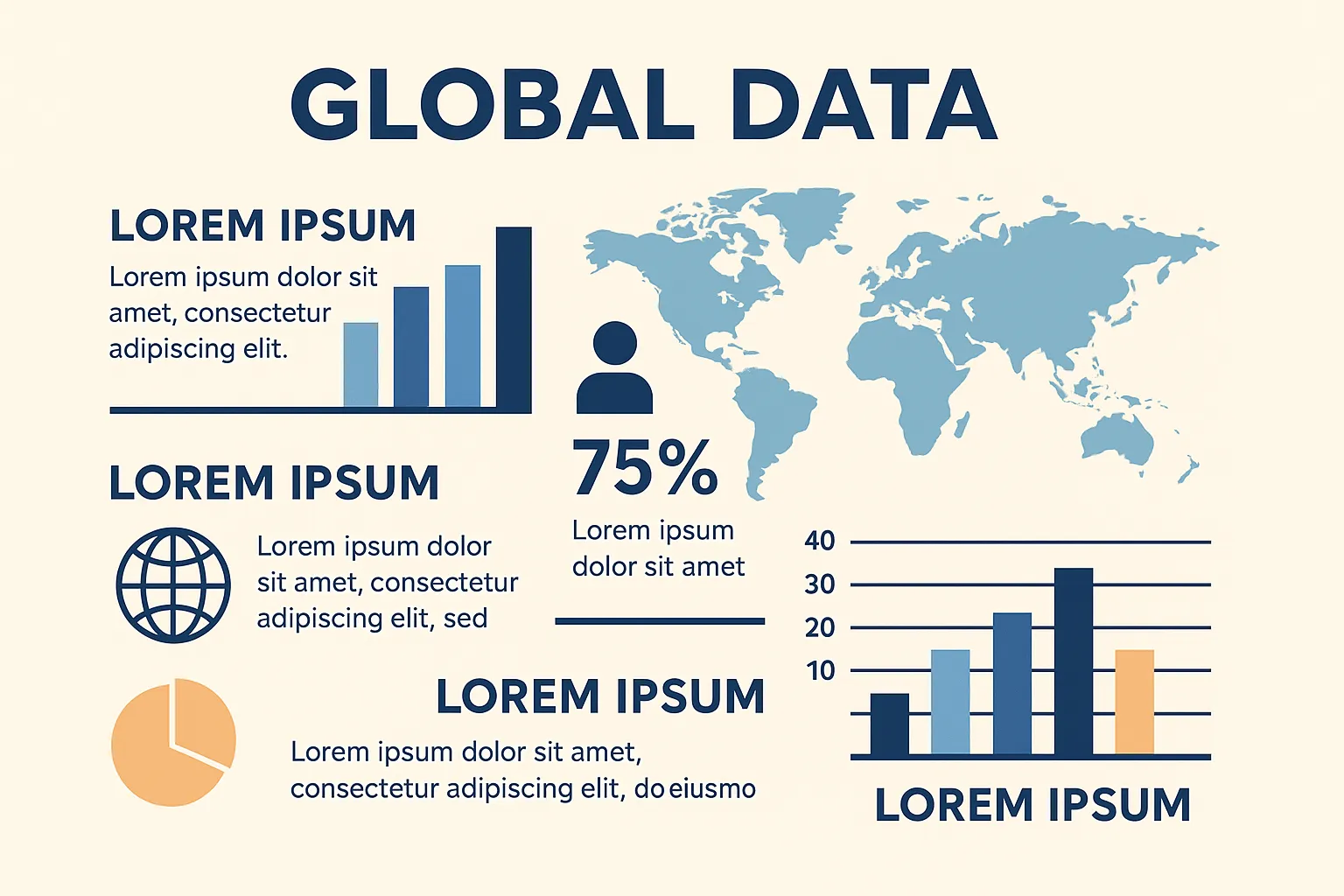
English Infographics for Global Audiences: Guidelines & Best Practices
Why Infographics Matter in International Communication
Infographics are powerful tools that blend visual elements and concise English to present data clearly. For global audiences, well-designed infographics break down language barriers and allow complex information to be understood quickly. Whether you’re presenting quarterly results or sharing research across cultures, strong infographic design is essential.
Key English Vocabulary for Infographics
- Data visualization: Graphically representing information or statistics
- Chart/Graph: Visual displays of data relationships (e.g., pie, bar, line charts)
- Legend: A guide explaining symbols, colors, or patterns
- Callout: Highlighted information or annotation
- Caption: Short text descriptions for images or visuals
- Headline: The main title or section title
- Percentage: Amount or rate per hundred
Principles for Interpreting English Infographics
- Read the Headline: Identify the main topic or takeaway quickly.
- Scan Visual Hierarchy: Note the largest or boldest elements first; they usually show the most important information.
- Decode Legends and Labels: Use the legend to understand symbols, colors, or abbreviations.
- Analyze Data Visuals: Study graphs and charts to understand trends, comparisons, or proportions.
- Check Sources and Dates: Reliable infographics always cite their data sources and dates.
Designing Effective English Infographics: Step-by-Step
- Define Your Message: What should your global audience remember?
- Know Your Audience: Use clear English, avoid idioms, and consider cultural context for word choice and visuals.
- Select the Right Visuals:
- Bar charts: Compare categories
- Pie charts: Show proportions
- Maps: Indicate geographic distribution
- Timeline: Show sequencing or trends over time
- Organize With Strong Layout: Guide the eye from headline to supporting visuals with clear sections.
- Use Universal Icons and Colors: Select symbols recognized internationally; be mindful of color meanings across cultures.
- Write Concise, Objective Text: Short, direct sentences are easier to understand for non-native speakers.
Layout Principles for Global Readability
| Principle | Description |
|---|---|
| Alignment | Text and visuals line up for a neat, readable format |
| Contrast | Use bold colors or fonts to emphasize key data |
| Balance | Even spacing between elements for a harmonious look |
| White Space | Leave empty areas to reduce clutter and guide the eye |
Strategies for Communicating Data Visually to International Stakeholders
- Use Simple English: Opt for basic vocabulary and short explanations.
- Minimize Jargon: Define any technical terms or avoid them when possible.
- Test for Clarity: Ask colleagues from different backgrounds to review your infographic.
- Localize When Necessary: Adapt visuals or terms for specific markets, avoiding offensive symbols or ambiguous colors.
Conclusion
English infographics are essential for connecting with global audiences. By mastering key vocabulary, following clear layout principles, and focusing on visual clarity, you can create impactful infographics that communicate data with confidence and professionalism across cultures.