From Movies to Mastery: Learn English With Film Scenes

Discover how to use movie scenes for easy, fun conversational English practice. Tips on selecting films, using subtitles, and mimicking for real-life skills.
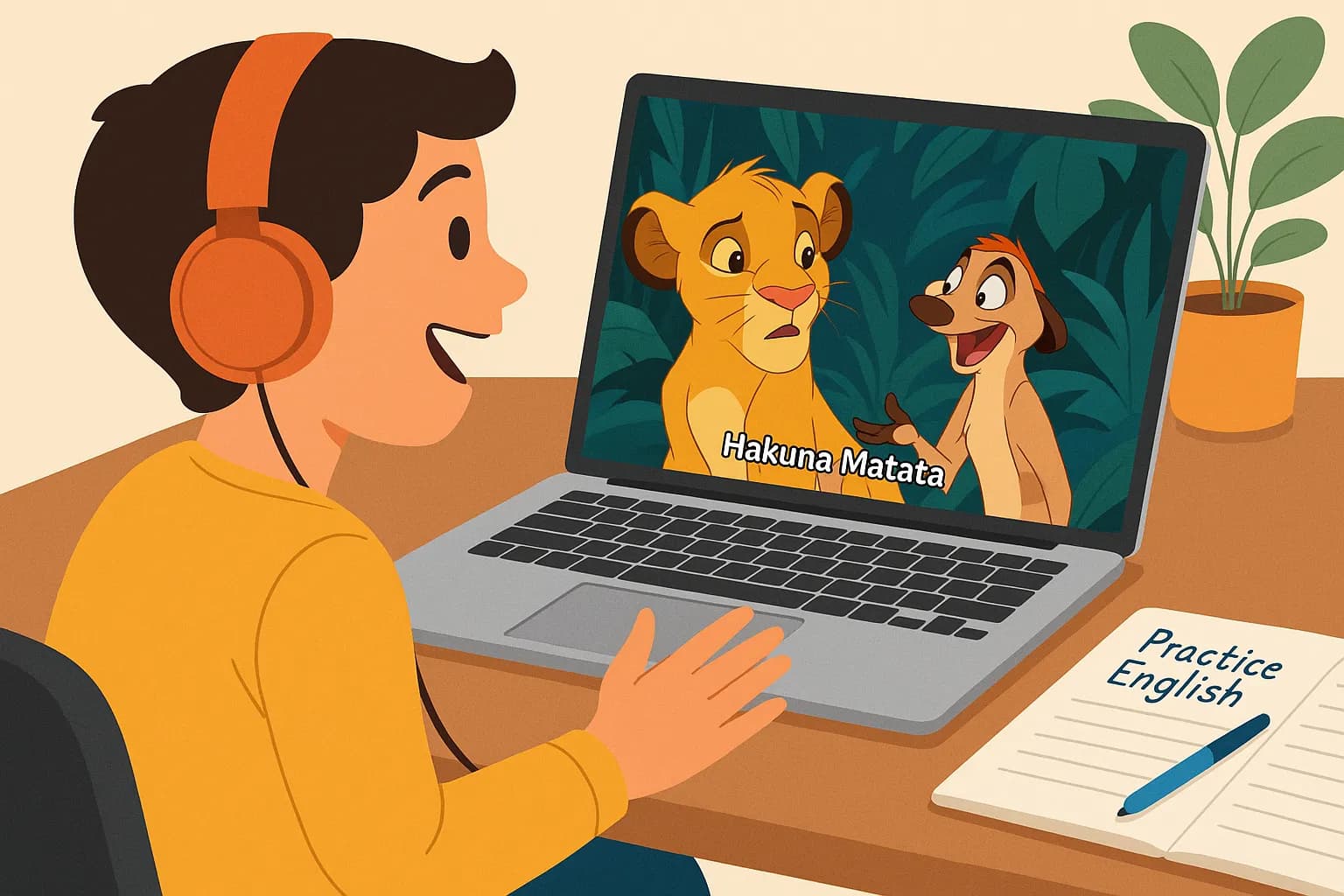
From Movies to Mastery: Learn English With Film Scenes
Have you ever wished you could speak English as confidently as your favorite movie characters? Film scenes can be a fun, powerful tool for mastering conversational English. Whether you're new to the language or just want to sound more natural, movies offer the perfect way to hear real English, practice correct pronunciation, and grow your confidence.
Why Use Movies to Learn Conversational English?
- Real-life dialogue: Movies use everyday language, slang, and expressions you’ll hear in real conversations.
- Context clues: Actors’ actions and emotions help you understand meaning, even if you don’t catch every word.
- Motivation: Watching your favorite stories makes practice enjoyable and helps you stick with your studies.
Step 1: Choose the Right Movie Scenes
Not all movies are equally helpful for beginners. Here’s how to pick scenes that work best for language learning:
- Family-friendly films: These use clear language and simple conversations. Animated movies are a great start.
- Modern settings: Choose films set in today’s world for up-to-date language.
- Short, focused scenes: Look for scenes with everyday interactions—ordering food, greeting friends, making plans.
Step 2: Use Subtitles Strategically
Subtitles are a powerful support when learning English through movie scenes. Here’s how to make the most of them:
- First watch: Use subtitles in your own language to understand the story.
- Second watch: Switch to English subtitles. Listen and read along; notice the sentence structure and vocabulary.
- Final watch: Turn off all subtitles and focus on listening only. Test your understanding and guess any missing words from context.
Step 3: Mimic the Characters—Speak Along!
One of the best ways to improve speaking skills is to imitate! After watching, try to:
- Pause after a line and repeat out loud.
- Notice intonation and emotion—try to match the actors’ style!
- Record yourself and listen back for progress. This builds confidence and fluency.
Suggested Movie Scenes for English Learners
| Movie | Scene Example | Why It’s Useful |
|---|---|---|
| Finding Nemo | Nemo’s first day of school | Simple introductions, talking about family |
| The Incredibles | Family breakfast conversation | Casual language, daily routines |
| Notting Hill | Bookshop greeting scene | Polite greetings, small talk |
| Toy Story | The toys introducing themselves | Names, introductions, friendly dialogue |
Printable Scene Guides: Your Practice Companion
To deepen your learning, use printable scene guides that include:
- Key vocabulary and phrases from the scene
- Audio prompts to practice pronunciation
- Questions about the scene to check understanding
- Space for your own written responses or thoughts
Grow Your Confidence—One Scene at a Time
Remember, it’s normal to feel nervous or stuck at first. Every new scene brings you closer to comfortable English conversation. With time and practice, movie moments will become your mastery moments!