Pronunciation and Intonation Patterns Explained

Learn how intonation, stress, and pronunciation shape spoken English and impact meaning. Master rising/falling tones, word stress, and connected speech.
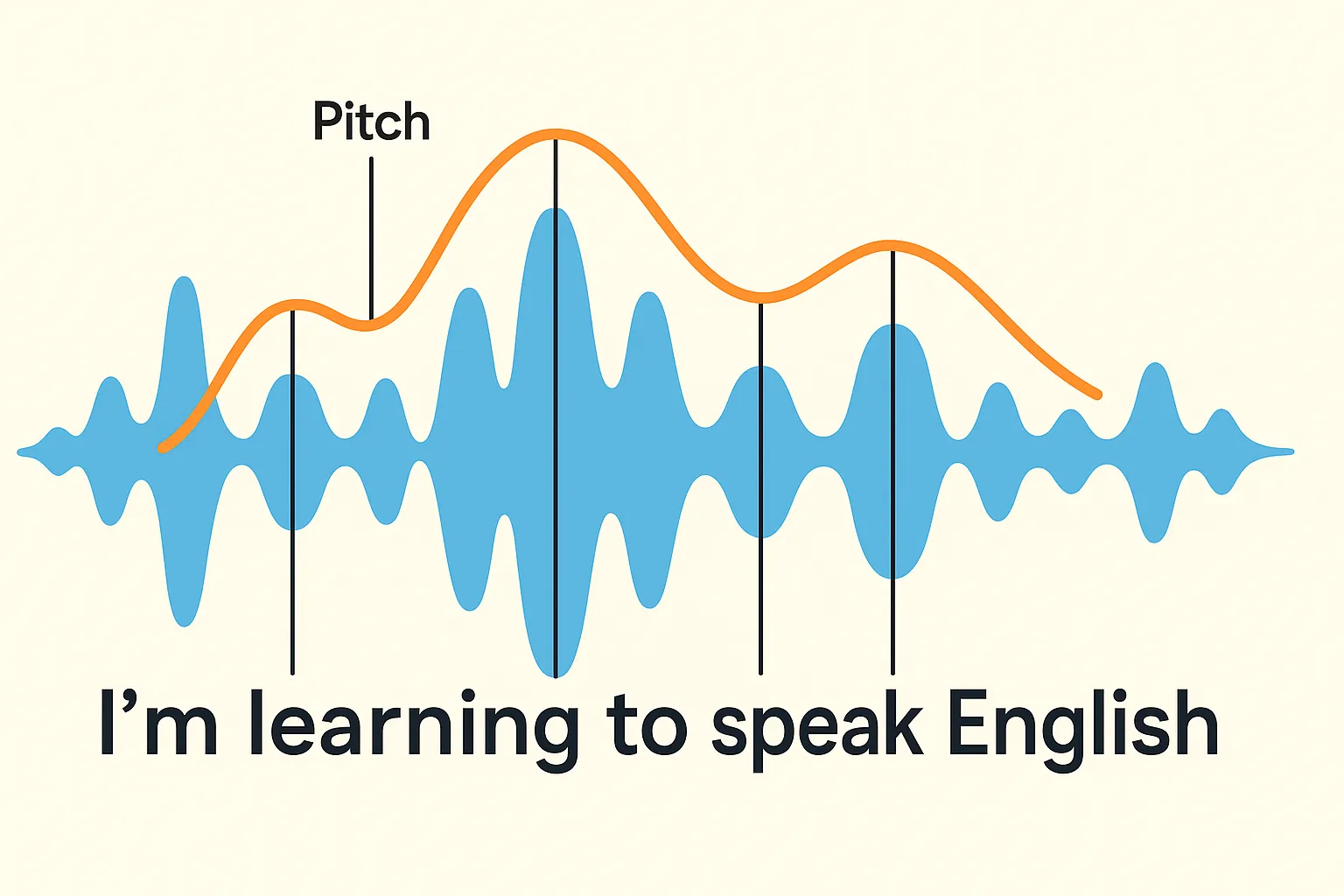
Pronunciation and Intonation Patterns: Making Meaning Beyond Words
Successful communication in English is not just about choosing the right words. How you say those words—your pronunciation and intonation patterns—carries just as much meaning. Mastering these skills unlocks clearer, more confident speaking and helps listeners truly understand your message.
Why Intonation and Stress Matter
Intonation refers to the rise and fall of your voice as you speak. Stress highlights which words or syllables are important. Used together, they add emotion, formality, and subtle signals to your speech.
- Emphasize important ideas: Stress and intonation help spotlight crucial information.
- Change meaning: The same phrase can express surprise, a question, or certainty—depending on your tone.
- Boost listener comprehension: Natural stress and tone make your English sound fluent and easy to follow.
Key Intonation Patterns in English
English uses a few core intonation patterns. Mastering these will quickly improve both your fluency and your ability to be understood.
- Falling tone (↘): The voice drops at the end. Used for statements and commands.
Example: "She finished her work.↘" - Rising tone (↗): The voice rises. Used for yes/no questions and showing uncertainty.
Example: "Are you ready?↗" - Rise-fall (↗↘): Voice rises then falls. Expresses strong feelings or choices.
Example: "I really enjoyed it.↗↘"
Word Stress: Adding Clarity
Word stress means pronouncing one syllable in a word louder, longer, or higher. Incorrect stress can lead to misunderstanding—even if every other part of your pronunciation is perfect!
| Word | Stressed Syllable (in CAPS) | Meaning Change |
|---|---|---|
| REcord | First | (noun: a disc, a file) |
| reCORD | Second | (verb: to capture sound/video) |
| PREsent | First | (noun: a gift) |
| preSENT | Second | (verb: to give/show) |
Connected Speech and Linking
Native speakers often connect words, reduce sounds, and blend syllables. This is known as connected speech. Understanding and practicing these patterns makes your English sound more natural.
- Linking: Final consonants join with beginning vowels. "Turn on" → "tur-non"
- Elision: Some sounds vanish in fast speech. "Next week" → "nexweek"
- Assimilation: Sounds change to match neighbors. "Good boy" → "gub boy"
How Pronunciation Patterns Change Meaning
Maybe you say all the right words—but if your intonation signals sarcasm, uncertainty, or surprise, your listeners will interpret your message differently. Pay careful attention to:
- Yes/no questions: Rising intonation signals a query; a flat or falling tone can sound like a statement.
- Emphasis: Stress on a different word can change the meaning entirely.
"I didn't say he stole the money" vs. "I didn't say he stole the money" - Expressing feelings: Falling-rising tones may imply doubt, uncertainty, or irony.
Final Thoughts
Effective English is about more than vocabulary and grammar. By training your ear—and your voice—with intonation, stress, and connected speech, you'll make your spoken English clearer and more expressive. Remember: in conversation, how you say something is just as important as what you say.